Executive summary
I’m working to become a mechanical engineer. I want to solve important problems and contribute to making a difference.
According to O*NET, mechanical engineers typically need a bachelor’s degree and hands-on experience, which they can gain through an apprenticeship. [1] O*NET lists Autodesk’s Design for Manufacturing certification and the NCEES FE and PE exams, along with California’s Engineer-in-Training certificate and Mechanical Engineer license. [4] [5] Valuable skills include math, science, complex problem-solving, critical thinking, operations analysis, and systems analysis. [1]
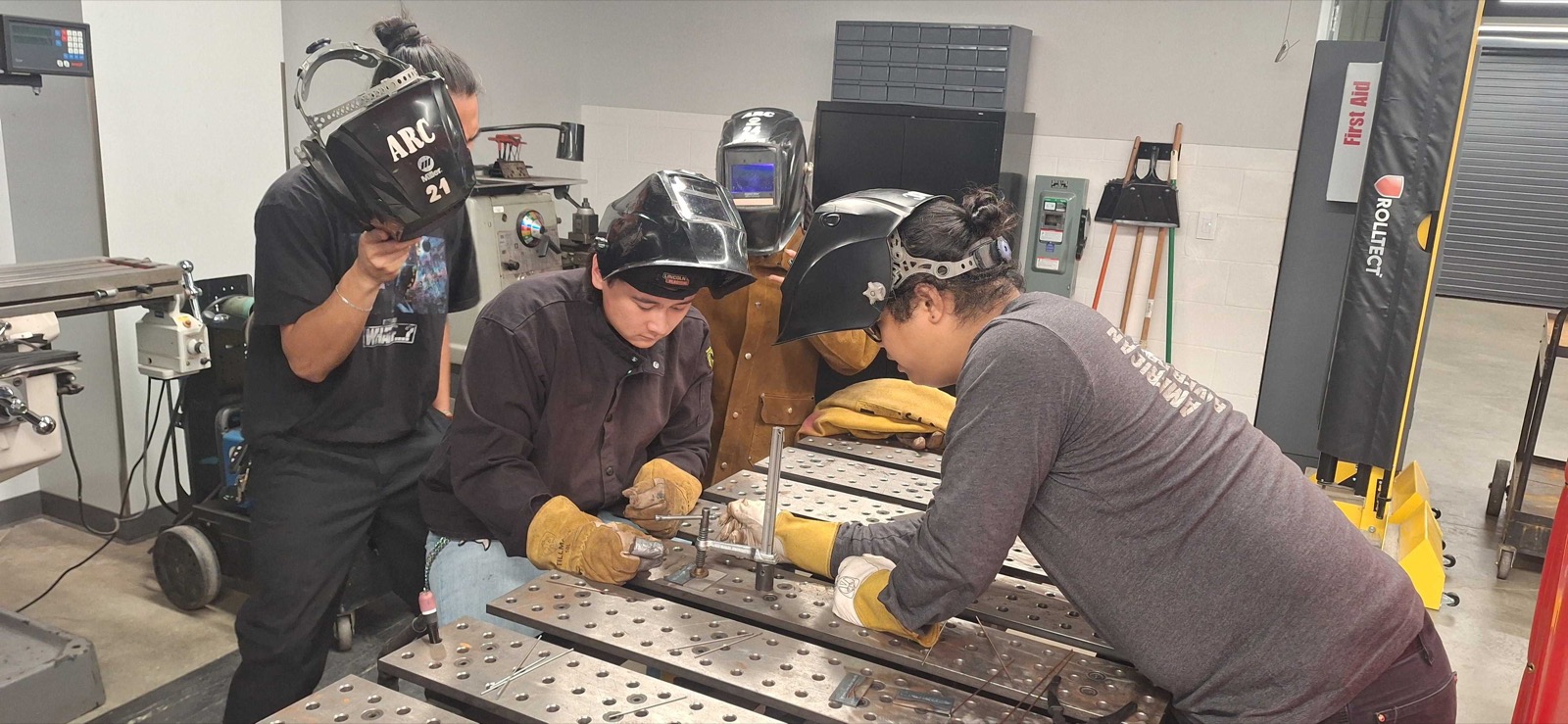
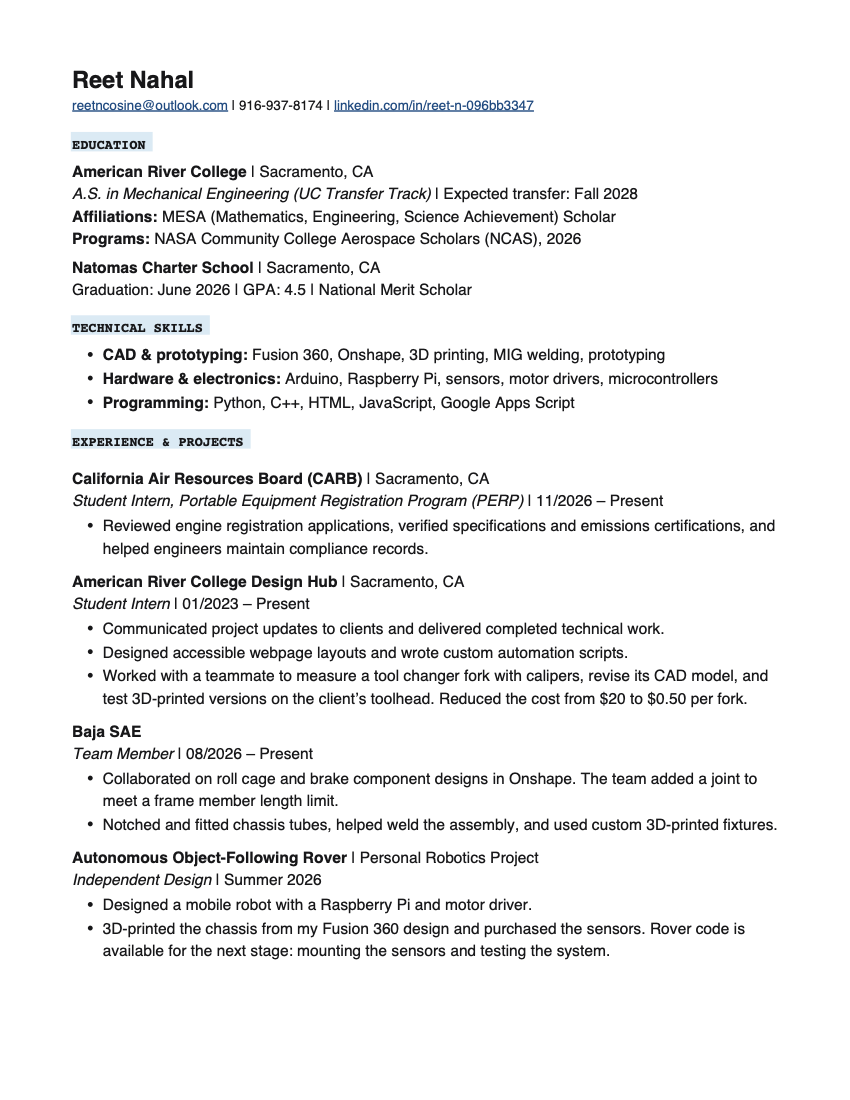
I’ve started building on several of these skills. At my community college, I’m taking Calculus II, chemistry, computer programming, and welding to build my foundation in engineering. I plan to transfer to a four-year university for my bachelor’s degree.
Outside of class, I’m an intern for my college’s Design Hub, where I help solve problems for other departments. I’m also on our Baja SAE team and work on independent projects of my own.
For NCAS, I watched a NASA engineer demonstrate a flexible space tire. What I like about rover tires is that you can build one, see how it behaves, and bring what you learned back to the design. [2] Soft robotics stood out to me the most. Watching a soft robotics engineer and a mechanical engineering intern explain how pressure makes a soft robot move got me curious about what else we could build by taking inspiration from nature. [3] I’m excited to begin my journey, no matter where it may take me.

 Welding (MIG, TIG, etc.)
 Tube fabrication
 Software development
 Arduino firmware
 CAD software (Onshape, Fusion 360)
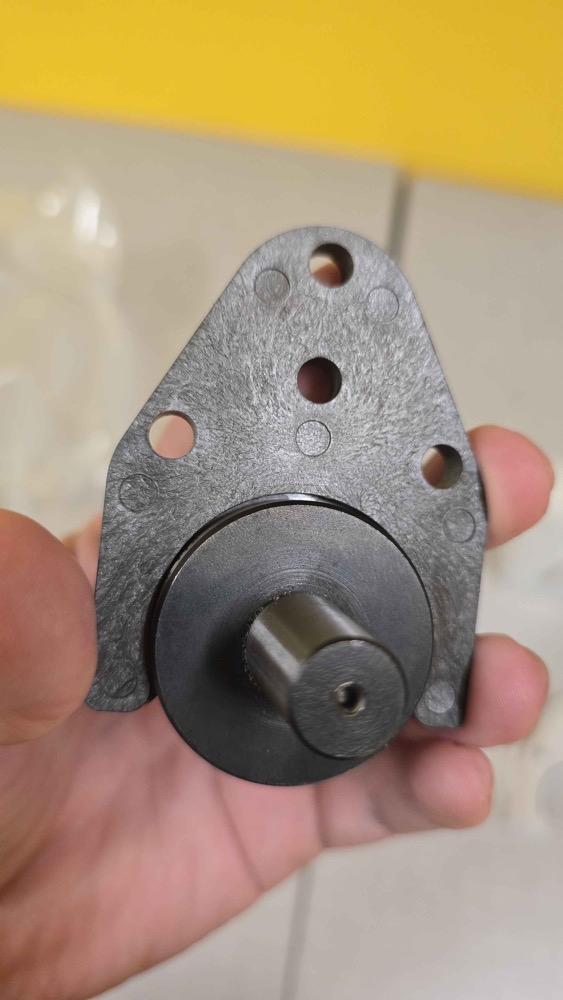
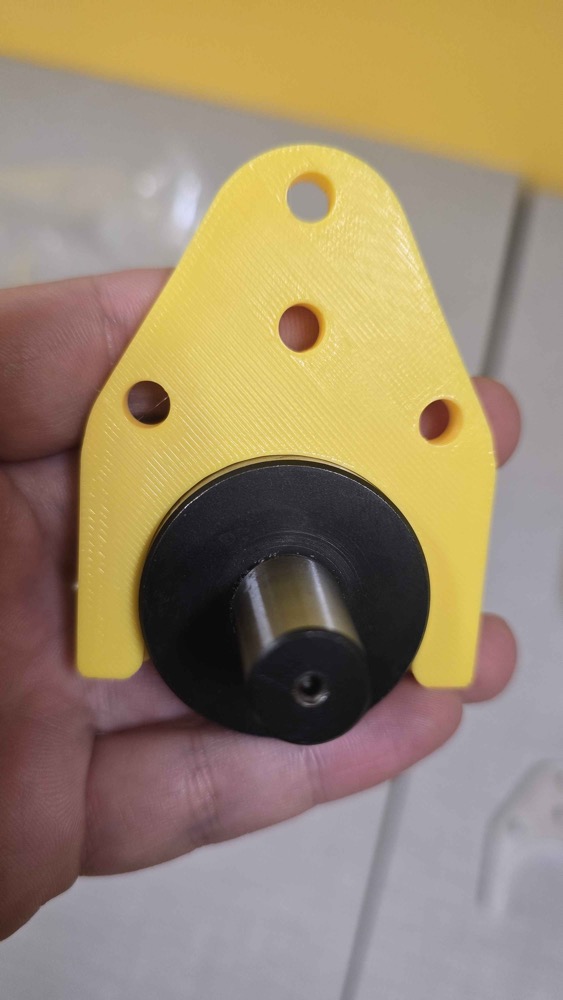
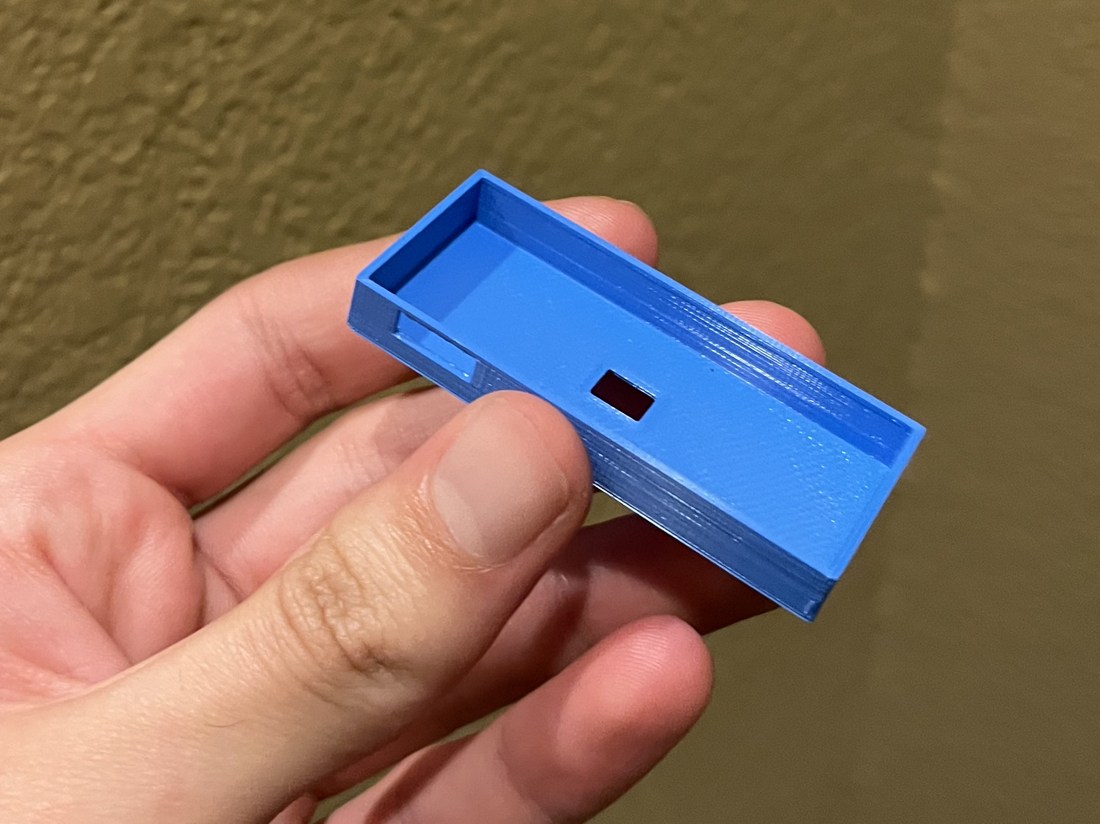
 3D Printing
 Basic PCB experience
 Client communication